Last Updated on February 10, 2026 by Tom
Bad tires rarely fail without warning. Changes in grip, air pressure, road noise, or sidewall shape often appear long before a flat or blowout. Drivers who catch those signals early avoid sudden breakdowns and expensive wheel damage.
Many people search how to tell if your tire is bad or how to tell if a tire is bad after a dashboard alert or rough drive. A quick inspection combined with simple pressure checks often reveals trouble spots such as worn tread, cracks, bulges, or slow leaks. Those clues help decide when repair makes sense and when replacement becomes the safer call.
The sections ahead cover clear warning signs, pressure related risks, sensor problems, cosmetic product concerns, and steps that protect tires across daily use.
Common Warning Signs Your Tire Has Gone Bad
Tires speak through changes in feel, sound, and appearance. Paying attention to those shifts helps drivers act before damage turns severe or unsafe.
Uneven or Rapid Tread Wear
Sections of shallow tread across one tire or across an axle point to alignment issues, suspension wear, or low pressure. Bald patches raise skid risk on wet roads and reduce braking control.
Cracks Along the Sidewall
Fine lines or deep splits in rubber signal age, heat exposure, or chemical damage. These marks weaken structure and raise blowout risk at highway speeds.
Bulges or Soft Spots
Raised areas on the sidewall or tread surface suggest internal belt failure. Replace such tires right away since pressure changes can cause sudden collapse.
Repeated Air Loss
Tires that drop pressure every few days often hide slow punctures, valve stem leaks, or bead seal problems.
Vibration or Steering Pull
Shaking at speed or drift toward one side often ties back to internal damage, imbalance, or uneven wear.

How to Tell If a Tire Is Bad Through Tread Wear
Tread depth shows how well a tire grips the road, especially during rain. Shallow tread raises the chance of sliding and longer stopping distances. A quick check at home often reveals when rubber no longer performs as it should.
Use a Tread Depth Gauge or Coin
Insert a tread gauge or a coin into the grooves. Low readings point to worn rubber that struggles on wet pavement.
Look for Wear Bars
Small raised strips run across the tread grooves. When the tire surface reaches those bars, replacement becomes necessary.
Spot Bald or Smooth Areas
Flat patches with little pattern show advanced wear. These areas lose traction fast during rain.
Check for Uneven Patterns
One edge that wears faster than the other, feathered ribs, or cupped dips often link to alignment or balance problems.
Sidewall Damage and Structural Problems
The sidewall supports the tire’s shape and absorbs road impacts. Damage in this area often points to serious risk and rarely qualifies for repair.
Dry Rot or Surface Cracks
Small cracks along the sidewall show rubber age or sun exposure. Deep splits weaken structure and raise blowout risk.
Cuts or Punctures
Sharp objects, curb hits, or debris can slice the sidewall. Even small openings here make the tire unsafe for road use.
Bulges or Blisters
Rounded bumps signal internal belt failure after impact with potholes or rough edges. Replace such tires right away.
Exposed Fabric or Steel
Visible cords mean the outer layers have worn away. Driving further places both wheel and vehicle at risk.
Is It Bad to Drive With Low Tire Pressure
Low air pressure changes how a tire touches the road. Extra flex along the sidewall builds heat, reduces grip, and shortens tread life. Even short trips on underinflated tires can cause damage that stays hidden until failure occurs.
Higher Blowout Risk
Soft tires run hotter at highway speeds. That heat weakens internal layers and raises the chance of sudden rupture.
Longer Braking Distance
Reduced pressure lowers road contact and control, especially during rain or sharp stops.
Faster and Uneven Wear
Edges wear down faster when air stays low. That pattern often ruins a tire long before normal mileage limits.
Poor Fuel Efficiency
Soft tires raise rolling resistance, which pushes engines to burn more fuel.
TPMS Warning Light
Dashboard alerts signal pressure loss. Check readings with a gauge right away rather than rely on the warning alone.
How Bad Is It to Drive on a Flat Tire
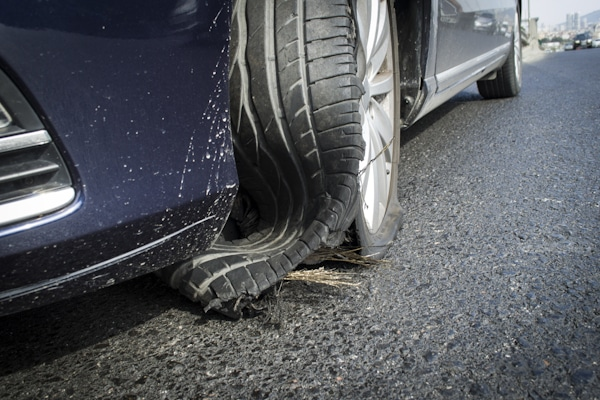
Driving on a flat tire causes rapid damage within minutes. The weight of the vehicle crushes the sidewall, grinds rubber away, and bends wheel rims. Even short distances at low speed can turn a simple repair into full replacement.
Sidewall Collapse
A flat tire cannot hold shape under load. The sidewall folds and tears, which makes repair impossible.
Wheel Damage
Metal rims scrape the road surface once rubber disappears. That contact leads to dents, cracks, or air seal failure.
Loss of Control
Steering response drops fast during flat travel, especially during turns or braking.
Heat Buildup
Friction between rubber and pavement creates extreme heat, which destroys internal belts.
Limited Repair Options
Punctures in the tread sometimes qualify for plugs or patches. Flats driven on usually suffer sidewall failure that ends repair chances.
How to Tell Which Tire Pressure Sensor Is Bad
Tire pressure sensors track air levels and send alerts when pressure drops. Faulty sensors cause warnings even when tires hold proper air, which leads to confusion during routine checks.
Compare Gauge Readings
Use a manual pressure gauge on each tire. If one reading matches spec while the dashboard alert remains active, that sensor likely failed.
Watch for Flashing Warning Lights
A blinking TPMS icon often signals sensor trouble rather than real pressure loss.
Reset and Recheck
Reset the system through vehicle controls after air fill ups. Return alerts point to sensor issues.
Use a Scan Tool
Auto shops can scan TPMS data to locate the sensor that fails to send readings.
Consider Sensor Age
Many sensors run on sealed batteries that last several years. Weak batteries trigger false alerts and call for replacement.

Is Tire Shine Bad for Tires
Tire shine products make rubber look dark and glossy, yet some formulas cause harm over time. The key lies in ingredients and how often people apply them.
- Petroleum based formulas can dry rubber and speed crack growth.
- Silicone heavy sprays may attract dust and road grime.
- Overuse leaves residue that weakens sidewalls.
- Water based options tend to treat rubber more gently.
- Proper cleaning first prevents trapped debris from scraping surfaces.
- Light application helps limit buildup and streak marks.
Age Matters Even When Tread Looks Fine
Tires age even when mileage stays low. Rubber hardens over time, which reduces grip and raises crack risk. A tire with deep tread can still fail once compounds lose flexibility.
Check the DOT Date Code
Each tire shows a production week and year near the rim. Older codes point to long storage or extended road use.
Follow General Age Limits
Many safety groups suggest replacement around six years, even when tread depth appears healthy.
Sun and Heat Exposure
Long outdoor parking and hot climates speed rubber breakdown and surface cracking.
Storage Conditions
Dark, cool storage slows aging. Damp or ozone rich spaces shorten service life.
What to Do When a Tire Looks Bad
Quick action reduces risk and prevents further damage once warning signs appear. Simple checks at home often decide whether repair works or replacement becomes necessary.
Check Air Pressure
Use a gauge to confirm readings match factory specs. Refill low tires and monitor changes over several days.
Inspect for Visible Damage
Scan tread and sidewalls for cracks, cuts, bulges, or exposed fabric.
Limit Driving
Short trips at low speed help reduce heat buildup when tire condition raises concern.
Visit a Tire Shop
Trained staff can inspect internal layers and test for slow leaks.
Replace When Needed
Severe damage, age related cracking, or sidewall issues call for new tires rather than repair.

When Repairs No Longer Make Sense
Some tire problems qualify for safe repair, while others create too much risk for patching or plugs. Knowing the difference prevents unsafe choices.
Sidewall Damage
Cuts, bubbles, or cracks along the sidewall weaken structure and rule out repair.
Multiple Punctures
Several holes close together reduce strength and stability.
Shoulder Area Injuries
Damage near tread edges often spreads under load and heat.
Worn Past Safe Tread Limits
Shallow tread fails to deliver grip during rain and braking.
Driven While Flat
Flat travel crushes internal layers and bends belts, which removes repair options.
Tire Safety Checklist
Regular checks help catch problems early and keep road trips safer. A simple routine at home covers most tire health needs.
- Check air pressure every week with a manual gauge rather than rely on dashboard alerts alone
- Inspect tread depth with a coin or gauge to confirm grooves stay above safe limits
- Scan sidewalls for cracks, cuts, bulges, or soft spots
- Watch for vibration, pulling, or noise during normal driving
- Review the DOT date code to track tire age
- Rotate tires at recommended mileage intervals
- Schedule alignment checks after pothole impacts or uneven wear
- Clean tires before apply shine products
- Replace tires that show exposed cords or repeated air loss
- Keep a spare tire inflated and ready for use
Final Thoughts on Spotting Bad Tires Early
Early checks prevent roadside trouble, wheel damage, and unsafe stops. Worn tread, sidewall cracks, low pressure, sensor alerts, and flat travel each signal problems that deserve fast action rather than delay. Simple habits such as weekly pressure checks, visual scans, and age tracking help tires last longer while risk stays low.
For drivers who want extra support during inspections or replacement decisions, PickYourTires.com offers detailed tire reviews, traction ratings, and comparison tools that make problem spotting easier before small issues grow serious. Clear guides and category pages help confirm when repair still works and when fresh rubber becomes the safer choice.
Catching tire problems early keeps drives smooth, controlled, and far less stressful on both roads and wallets.