Last Updated on February 27, 2026 by Tom
Choosing between tire types shapes safety, comfort, and control across every mile. Road conditions, climate shifts, and daily driving habits all influence how rubber performs under braking, cornering, and wet surface contact.
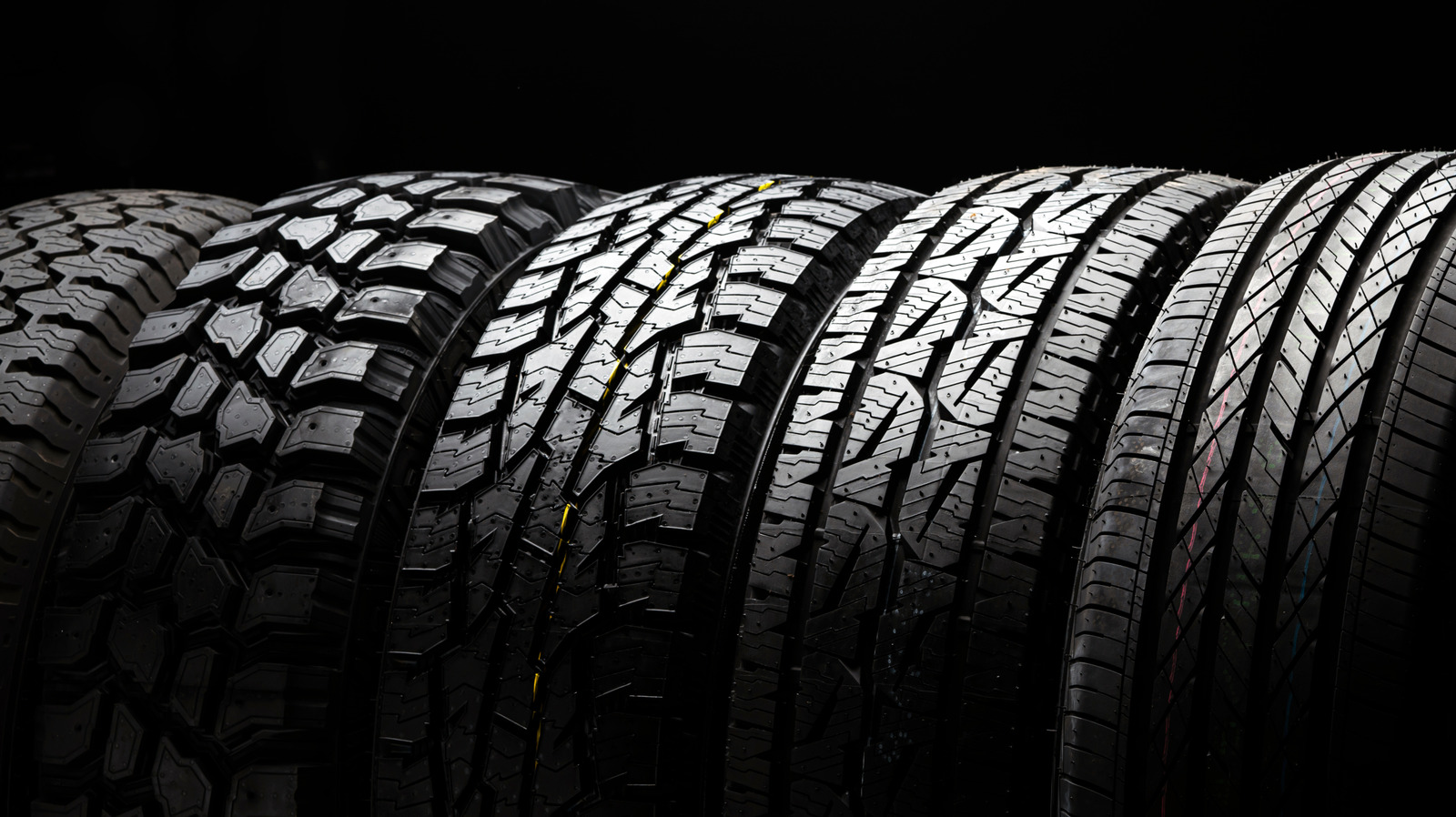
Drivers often weigh all season vs winter tires or consider all terrain options for gravel routes and mixed use. Each category follows a different design philosophy, with tread patterns and rubber compounds tuned for specific conditions. Understanding those differences helps narrow choices without trial and error.
All season tire reviews and all terrain tire reviews add clarity during research, since performance data highlights strengths and tradeoffs across dry pavement, rain soaked roads, snow packed routes, and uneven surfaces.

Why Tire Type Matters in a Tire Comparison
Tire design controls how a vehicle grips the road, sheds water, handles snow, and absorbs bumps. Comparing categories rather than single models saves time and helps drivers focus on options that suit real road conditions.
Rubber compounds change with temperature. Tread blocks and grooves manage water flow, loose gravel, and packed snow. Sidewall strength affects stability during sharp turns or rough surface travel. Each of these factors separates all season, winter, and all terrain tires in daily use.
A smart tire comparison looks at:
- climate patterns and seasonal temperature ranges
- road surfaces such as pavement, gravel, or dirt
- daily mileage and driving habits
- noise and ride comfort needs
- tread life expectations
What Makes All-Season Tires Different
All season tires aim to handle a wide range of everyday conditions without seasonal swaps. Rubber compounds stay flexible across moderate temperature swings, while tread patterns balance dry road contact with water channel flow during rain.
Shallow siping and tightly packed tread blocks support quiet rides and stable highway travel. That design favors daily commuters and drivers who face mild winters rather than heavy snow or extended cold spells. The all-season tires are perfect for snow.
Key traits that surface across many all season tire reviews include:
- balanced dry and wet grip
- lower road noise at highway speeds
- steady tread wear under routine use
- limited traction on ice or deep snow
- year round use in moderate climates
Suggested Read: Are All Season Tires Worth It?
What Defines Winter Tires
Winter tires focus on cold road grip and control on snow covered surfaces. Rubber compounds stay soft at low temperatures, which improves braking response and steering feel when pavement turns icy.
Deep tread grooves and dense siping patterns bite into packed snow and help clear slush. That structure also shortens stopping distances during cold weather travel when compared with all season designs.
Common traits seen across winter tire testing include:
- strong traction on snow and ice
- shorter braking distances in cold conditions
- flexible rubber compounds
- louder road noise on dry pavement
- seasonal use only
What Are All-Terrain Tires
All terrain tires suit drivers who split time between paved roads and rougher surfaces such as gravel, dirt paths, or light trails. Tread blocks sit wider apart than all season designs, which improves bite on loose ground and mud.
Reinforced sidewalls add protection against cuts and punctures during off road travel. Many all terrain options also carry snow ratings, which helps in moderate winter climates.
Patterns that appear often in all terrain tire reviews include:
- rugged tread blocks for loose surfaces
- thicker sidewalls for impact protection
- higher road noise than highway focused tires
- steady traction on dirt and gravel
- usable manners on pavement

Tire Comparison Table: All-Season vs Winter vs All-Terrain
Side by side data helps drivers see how each tire type fits different conditions. The table below compares core traits that matter during everyday travel and seasonal changes.
| Feature | All-Season Tires | Winter Tires | All-Terrain Tires |
|---|---|---|---|
| Best climate | Mild to moderate | Cold and snowy | Mixed and rough |
| Road surfaces | Pavement and wet roads | Snow and ice | Pavement, gravel, dirt |
| Snow performance | Limited | Strong | Moderate |
| Dry road comfort | High | Moderate | Moderate |
| Noise levels | Low | Moderate | Higher |
| Tread life | Long under normal use | Seasonal use only | Moderate |
| Year round use | Yes in mild areas | No | Yes in some climates |
| Common vehicles | Sedans, crossovers | Cars and SUVs | Trucks and SUVs |
Performance Based Tire Comparison
Performance metrics show how each tire type behaves under braking, corner pressure, and poor road conditions. The table below highlights typical results seen across test data and category wide reviews.
| Performance Area | All-Season Tires | Winter Tires | All-Terrain Tires |
|---|---|---|---|
| Dry braking | Strong | Moderate | Moderate |
| Wet traction | Strong | Good | Good |
| Snow grip | Limited | Excellent | Moderate |
| Ice control | Weak | Strong | Limited |
| Off road ability | Low | Low | High |
| Ride comfort | High | Moderate | Moderate |
| Highway noise | Low | Moderate | Higher |

Cost and Ownership Comparison
Purchase price tells only part of the story. Replacement timing, fuel use, and seasonal swaps shape long run ownership costs across tire categories.
| Cost Factor | All-Season Tires | Winter Tires | All-Terrain Tires |
|---|---|---|---|
| Typical price range | Moderate | Moderate to high | Moderate to high |
| Replacement cycle | Normal wear | Seasonal rotation | Moderate wear |
| Fuel economy effect | Minimal | Slight drop | Slight drop |
| Seasonal changeover | None | Required | Optional |
| Storage needs | None | Yes | No |
All season designs often suit drivers who prefer one set year round in mild climates. Winter tires add storage and swap costs yet deliver better cold weather control. All terrain options trade some highway comfort for surface flexibility.

Which Tire Type Fits Your Driving Style
Daily routes, surface conditions, and climate patterns point toward the right category faster than brand names or price tags. Matching tire type to real use keeps traction steady and wear balanced over time.
City and Highway Commuters
Drivers who spend most miles on pavement often prefer all season tires for quiet rides, steady wet grip, and long tread life in moderate climates.
Snow Heavy Regions
Cold weather travel and icy roads favor winter tires. Soft rubber compounds and dense siping patterns shorten stopping distances and improve steering control during storms.
Mixed Pavement and Gravel Routes
Rural roads, construction zones, and dirt paths call for all terrain designs. Wider tread blocks and tougher sidewalls handle loose surfaces while still supporting daily travel.
Light Trail Use and Outdoor Trips
Occasional off road travel pairs well with all terrain tires that protect against cuts and maintain traction on uneven ground.
Pros and Cons Summary for Each Tire Type
A quick side by side view helps highlight where each category excels and where tradeoffs appear.
| Tire Type | Strengths | Limits | Best Use Cases |
|---|---|---|---|
| All-Season | Quiet rides, long tread life, strong wet grip | Weak on ice and deep snow | Urban driving, highways, mild climates |
| Winter | Top snow and ice traction, short cold weather braking | Seasonal swaps, louder dry road feel | Snow regions, cold winters |
| All-Terrain | Tough sidewalls, loose surface grip, flexible use | Higher noise, lower fuel economy | Gravel roads, rural routes, light trails |
How to Use Tire Reviews During a Comparison
Category level research works best when paired with detailed model testing. Tire reviews reveal how specific designs perform under braking, corner loads, rain soaked pavement, and cold road travel.
Focus on data points that appear often across all season tire reviews and all terrain tire reviews so results stay comparable:
- traction scores for dry, wet, and snow
- braking distance results
- tread life estimates
- road noise measurements
- ride comfort feedback
Look for reviews that explain test methods and update results over time. Comparing several models within the same category helps narrow choices before purchase.
Final Thoughts on This Tire Comparison Guide
Tire type choice affects traction, braking, ride comfort, and long run costs. Comparing categories rather than single models gives a clearer view of how rubber handles dry pavement, wet roads, cold conditions, and rough terrain. All season vs winter tires and all terrain options each serve distinct needs, so match design traits to road surfaces and local climate patterns before purchase.
Research that pairs category level insights with model specific results improves decisions. PickYourTires offers tire comparison tools, updated tire reviews, and detailed traction ratings so drivers can assess options across all season tire reviews, all terrain tire reviews, and seasonal conditions. Use test data and performance scores to narrow choices before investment.
This approach keeps tire selections focused on real road results, preserves tread life, and protects ride quality through changing conditions.