
Last Updated on February 28, 2026 by Tom
Flat tires create stress, traffic risk, and lost time, especially on busy highways or late night drives. Run flat tires aim to remove that problem by allowing continued travel after air loss so drivers reach a safe location without roadside stops.
Drivers often compare run flat tires with standard designs because ride comfort, repair limits, price, and lifespan vary across each option. Common questions include what are run flat tires, how do run flat tires work, and should I buy run flat tires for everyday use.
Clear answers help buyers decide when run flat systems make sense, how far driving remains safe after punctures, when to replace worn sets, and how much run flat tires cost over ownership.
What Are Run Flat Tires?
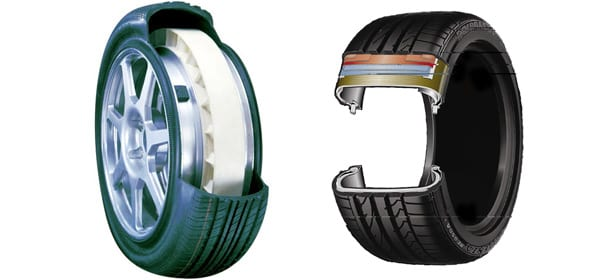
Run flat tires keep shape after sudden air loss so a vehicle can continue to a repair shop instead of stopping on the shoulder. Reinforced construction supports the car’s weight even when internal pressure drops to zero.
Two main designs appear across modern vehicles.
1. Self Supporting Run Flat Tires
Thickened sidewalls hold the vehicle up after punctures. Heat resistant materials limit damage during short distance travel at reduced speeds.
2. Support Ring Run Flat Tires
Internal rings mounted on the wheel carry weight after deflation. These systems appear less often due to added complexity and cost.
Most cars equipped with run flat tires also include a tire pressure monitoring system. Sensors alert drivers when pressure falls so speed and distance limits stay within safe ranges.
How Do Run Flat Tires Work?
Run flat tires rely on reinforced structures rather than air pressure alone to support a vehicle after punctures. Special materials and design features reduce heat buildup while the tire rolls without full inflation.
01
Reinforced Sidewalls
Extra thick rubber layers carry vehicle weight once pressure drops. Stiffer construction limits collapse and keeps the wheel off the pavement for short distance travel.
02
Heat Control Systems
Driving without air creates friction that raises internal temperature. Run flat designs include compounds and internal layers that slow heat rise during emergency travel.
03
Air Loss Detection
Most vehicles pair run flat tires with pressure sensors that alert drivers right away. Dashboard warnings signal when reduced speed and repair stops become necessary.
04
Speed and Distance Limits
Manufacturers set strict limits for safety. Many run flat tires allow travel for roughly 50 miles at speeds under 50 miles per hour after punctures, though road conditions and vehicle load affect those numbers.
Driving on Run Flat Tires After a Puncture
Run flat tires allow limited travel after air loss, yet careful driving remains essential. Reduced speed, smooth inputs, and quick access to service protect both the wheel and suspension during emergency use.
Typical Distance Limits
Most run flat tires support travel for about 30 to 50 miles after punctures. Vehicle weight, road quality, and tire condition influence the distance you can drive on run flat tires.
Warning Signs to Watch
Steering pull, loud thumps, vibration, or smoke signal rising damage. Stop driving right away if those symptoms appear.
Speed Restrictions
Manufacturers often cap speed near 50 miles per hour during emergency travel. Higher speeds raise heat levels and shorten usable range.
Safe Next Steps
Head straight to a tire shop for inspection. Many run flat tires need replacement after puncture travel, even if no external damage appears.
Road Surface Effects
Smooth pavement supports longer travel than rough or debris filled routes. Potholes and sharp edges add stress to sidewalls during low pressure use.
Run Flat vs Regular Tires
Drivers often compare run flat tires with traditional designs before purchase because each option affects comfort, safety, repair access, and ownership cost in different ways.
Sidewall construction, emergency travel limits, and service needs shape real world use far more than surface specs.
| Feature | Run Flat Tires | Regular Tires |
|---|---|---|
| Spare tire need | Often not required since limited travel remains possible after punctures | Usually required for roadside fixes |
| Ride comfort | Firmer feel due to reinforced sidewalls | Softer ride with more road isolation |
| Noise levels | Slight increase on some road surfaces | Often quieter over rough pavement |
| Weight | Heavier build can add unsprung mass | Lighter construction |
| Repair options | Many shops recommend replacement after puncture travel | Punctures often repairable within tread area |
| Purchase cost | Higher upfront price per tire | Lower entry price |
| Fuel use impact | Small efficiency loss possible due to added weight | Neutral to slightly better |
| Availability | Fitment limited to certain vehicles | Wide range across vehicles |
Practical Differences During Ownership
Run flat tires remove the need for roadside tire changes in many cases, which helps during heavy traffic or late night travel. Regular tires rely on spares or roadside service after air loss, yet offer more flexibility for repairs.
Stiffer sidewalls on run flat designs protect wheels during short distance travel without air, though that same stiffness transfers more bumps into the cabin. Standard tires absorb road imperfections more easily and often suit drivers who prioritize ride comfort.
Replacement decisions also differ. Many run flat tires require full replacement after puncture driving because heat and structural stress affect internal layers. Regular tires with small tread punctures often qualify for plug or patch repairs, which reduces long run costs.
Are Run Flat Tires Worth It?
Run flat tires suit certain drivers while others gain little value from the added cost and firmer ride. The right choice depends on driving patterns, access to repair shops, road conditions, and budget priorities.
Drivers Who Benefit Most
Urban commuters, late night travelers, and vehicles without space for a spare often gain peace of mind from run flat tires.
Limited distance travel after punctures helps reach service centers without roadside stops.
Situations Where Regular Tires May Fit Better
Drivers who value ride comfort, lower purchase prices, and repair flexibility often prefer standard tires.
Rural travel or long highway trips may still require a spare even with run flat systems.
Budget and Ownership Considerations
Higher upfront pricing and limited repair options raise lifetime cost for some owners.
Savings appear when spare tire storage stays unnecessary or roadside assistance plans remain unused.
Performance Tradeoffs
Stiffer construction supports safety after air loss yet can transfer more road vibration into the cabin.
Test drives help gauge whether ride quality meets expectations.
When to Replace Run Flat Tires?
Replacement timing for run flat tires depends on tread depth, age, puncture history, and structural condition. Reinforced sidewalls endure extra stress during low pressure travel, which makes post puncture inspections especially important.
01
Worn Tread Levels
Shallow grooves reduce water flow and raise stopping distances on wet pavement.
Replace run flat tires once tread reaches safe limits or traction feels weaker during rain. Measuring depth across several tread points helps spot uneven wear early.
02
After Driving With Low or No Air
Many run flat tires require replacement after puncture travel, even when exterior damage looks minor. Heat buildup and internal flexing often weaken layers that remain hidden during visual checks.
Tire shops may cut open failed units to confirm damage, which explains why repair options stay limited.
03
Visible Sidewall Damage
Cracks, bubbles, cuts, or blisters show structural failure. Any sidewall injury calls for immediate replacement since support strength drops fast under load.
04
Age Based Replacement
Rubber compounds stiffen with time due to heat exposure and oxidation.
Many professionals suggest replacement after six years even when tread depth appears adequate, especially on vehicles that sit for long periods.
05
Dashboard Warnings and Follow Up Checks
Pressure alerts followed by vibration, steering pull, or loud thumps signal internal problems.
Stop driving and arrange inspection right away to protect wheels and suspension parts.
How Much Do Run Flat Tires Cost?
Run flat tires usually cost more than standard designs due to reinforced sidewalls, special materials, and limited production volumes. Pricing varies based on vehicle type, wheel size, performance class, and brand tier.
Most passenger cars fall within a higher per tire range than regular options, and installation fees may rise because stiff sidewalls require special mounting equipment at some shops.
Typical cost factors include:
01
Average price per tire often runs higher than standard equivalents
02
Larger wheels and performance vehicles push prices upward
03
Installation charges may increase at shops with special tools
04
Replacement rates stay higher when puncture repairs remain limited
05
Warranty terms and mileage ratings affect long run value
06
Regional labor rates influence final totals
| Vehicle Type | Run Flat Tire Price Per Tire | Installation Range | Replacement Notes |
|---|---|---|---|
| Compact sedan | Higher than standard tires | Moderate | Limited repair options |
| Midsize sedan | Premium tier | Moderate to high | Often replaced after puncture travel |
| SUV or crossover | Premium tier | Higher | Heavier construction adds labor |
| Performance coupe | High premium | Higher | Stiff sidewalls raise service cost |
Pros and Cons of Run Flat Tires
Run flat tires offer safety benefits after air loss, yet tradeoffs appear in ride comfort, repair options, and long run costs. A clear look at both sides helps buyers decide if the setup fits daily use.
| Pros | Cons |
|---|---|
| Allows limited driving after punctures | Higher purchase price |
| Reduces need for a spare tire | Firmer ride feel |
| Improves safety during roadside incidents | Limited repair options |
| Works with pressure monitoring systems | Higher replacement cost |
| Saves trunk space on some vehicles | Special mounting tools at some shops |
Who Should Consider Run Flat Tires
Run flat tires suit drivers who value emergency mobility, drive mainly in urban areas, or own vehicles without room for a spare. Daily routes, repair access, and comfort preferences shape whether the added cost makes sense.
Drivers who often travel through heavy traffic or late at night benefit from the ability to reach a service shop without roadside stops. Cars designed for run flat systems also perform best when replacement sets match factory specifications.
Run flat tires often work well for:
- vehicles without spare tire storage
- city commuters with close access to tire shops
- drivers who prefer added safety after punctures
- fleets that want reduced roadside downtime

Final Thoughts on Run Flat Tires
Run flat tires deliver clear benefits for drivers who want limited travel after a puncture and reduced need for roadside tire changes. Careful comparison with regular tires helps buyers understand ride quality differences, repair limits, and ownership cost before payment.
Inspect tread depth regularly, track mileage, and check pressure sensors often so tires remain safe and effective. When puncture travel occurs, head straight to a tire shop for inspection because internal stress during low air use often rules out simple repairs.
For deeper performance details, tire comparison tools on PickYourTires help drivers review traction results, comfort scores, and category performance across run flat and standard options. Clear all season tire reviews, winter tire reviews, and all terrain tire reviews also support broader research when choosing replacement sets.