
-
Winter – 6.6/10
6.6/10
-
Dry – 8.9/10
8.9/10
-
Wet – 7.8/10
7.8/10
-
Comfort – 8.3/10
8.3/10
-
Treadwear – 7/10
7/10
Review Summary
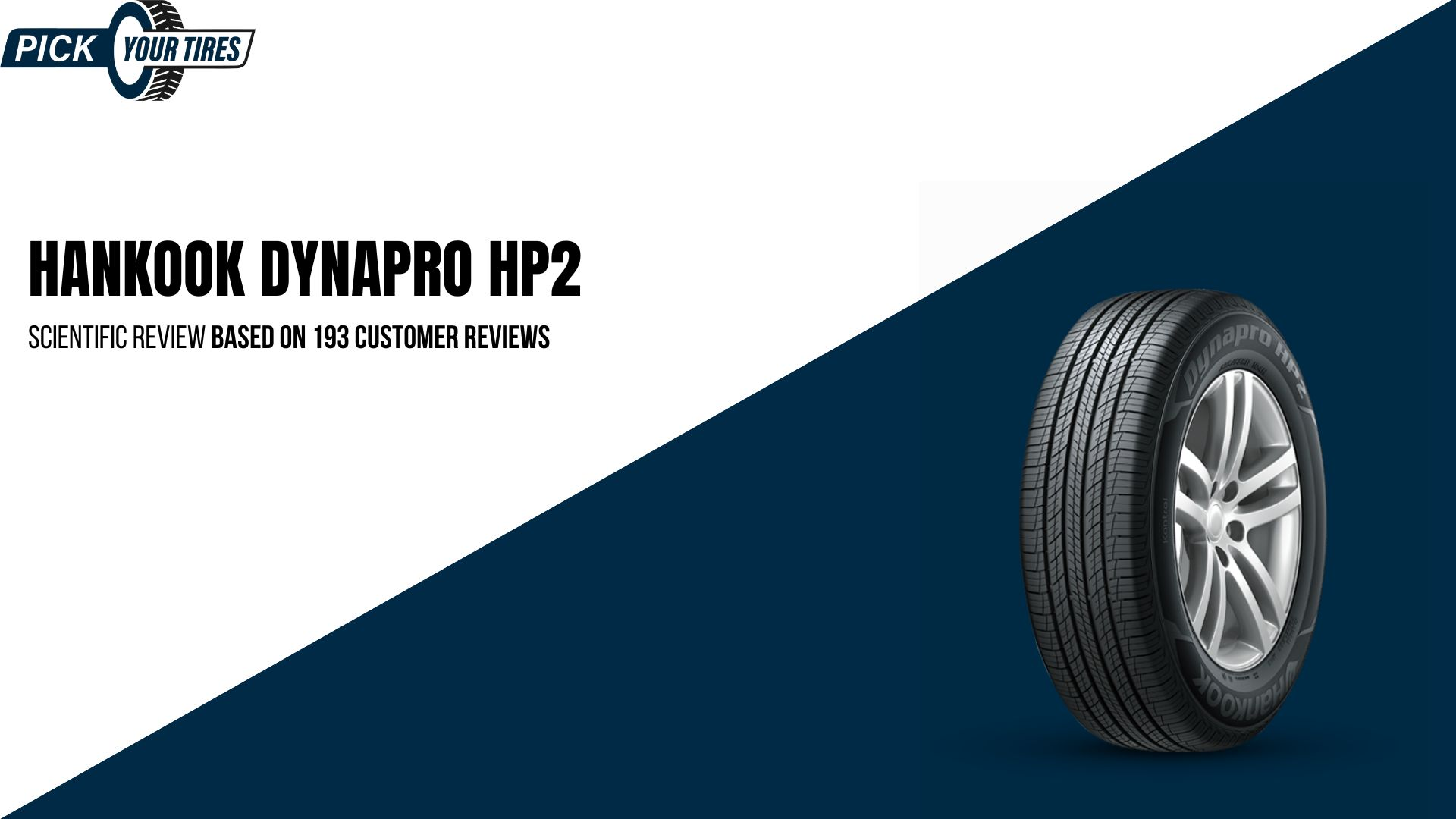
The Hankook Dynapro HP2 got a TireScore rating of 7.8 which is a little bit below the average score of all the all-season tires we have reviewed. It performs really well in dry conditions but is a bit of a let down on cold and mainly on snowy surfaces. Apart from its dry performance its main strength is how comfortable and silent it is. If you’re looking for a durable tire you should look elsewhere. Overall it is an all-season tire that comes with some compromises so, whether it is a good choice for you depends on where and how you would use it.
Pros
- Excellent dry handling and cornering stability
- Smooth, comfortable ride
- Low road noise when new
- Competitive pricing
Cons
- Fast treadwear on heavier vehicles
- Poor snow and ice traction after partial wear
- Wet performance declines as tires age
Last Updated on March 1, 2026 by Tom
The Hankook Dynapro HP2 review reflects a TireScore of 7.8 out of 10, placing it slightly below the average among touring all season SUV tires we have tested. It performs strongly on dry pavement and delivers a smooth, quiet ride that many crossover owners appreciate. Snow traction and long term tread life draw more mixed reactions.
This Hankook Dynapro HP2 tire review focuses on real owner feedback gathered from 193 verified user reviews, along with shop notes and published specifications. The goal is simple. Show how the tire behaves once real mileage builds up, not how it reads in a catalog.
For drivers researching Hankook Dynapro HP2 reviews before replacing factory tires on an SUV or crossover, this breakdown covers dry stability, wet behavior, snow performance, comfort, and longevity in detail.
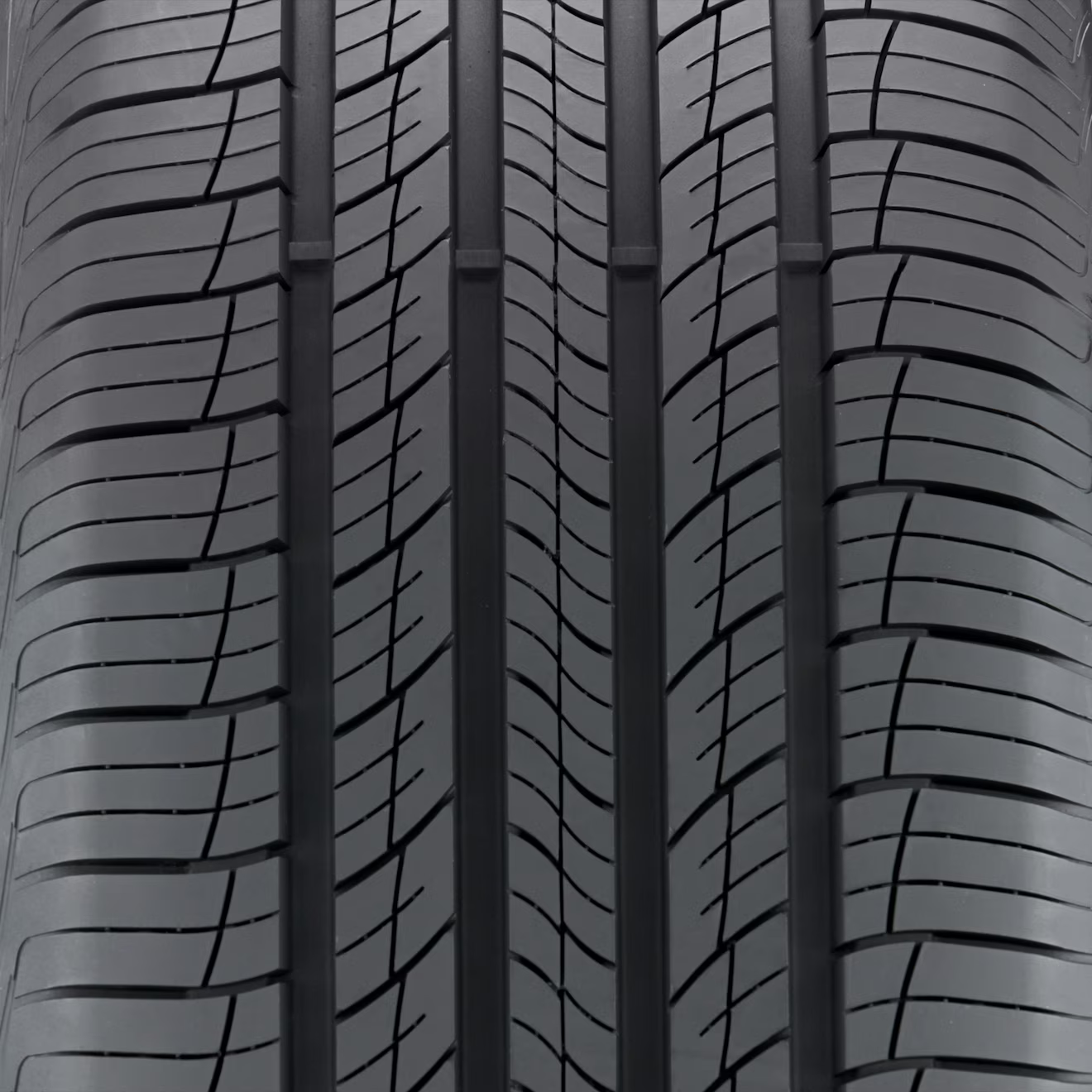
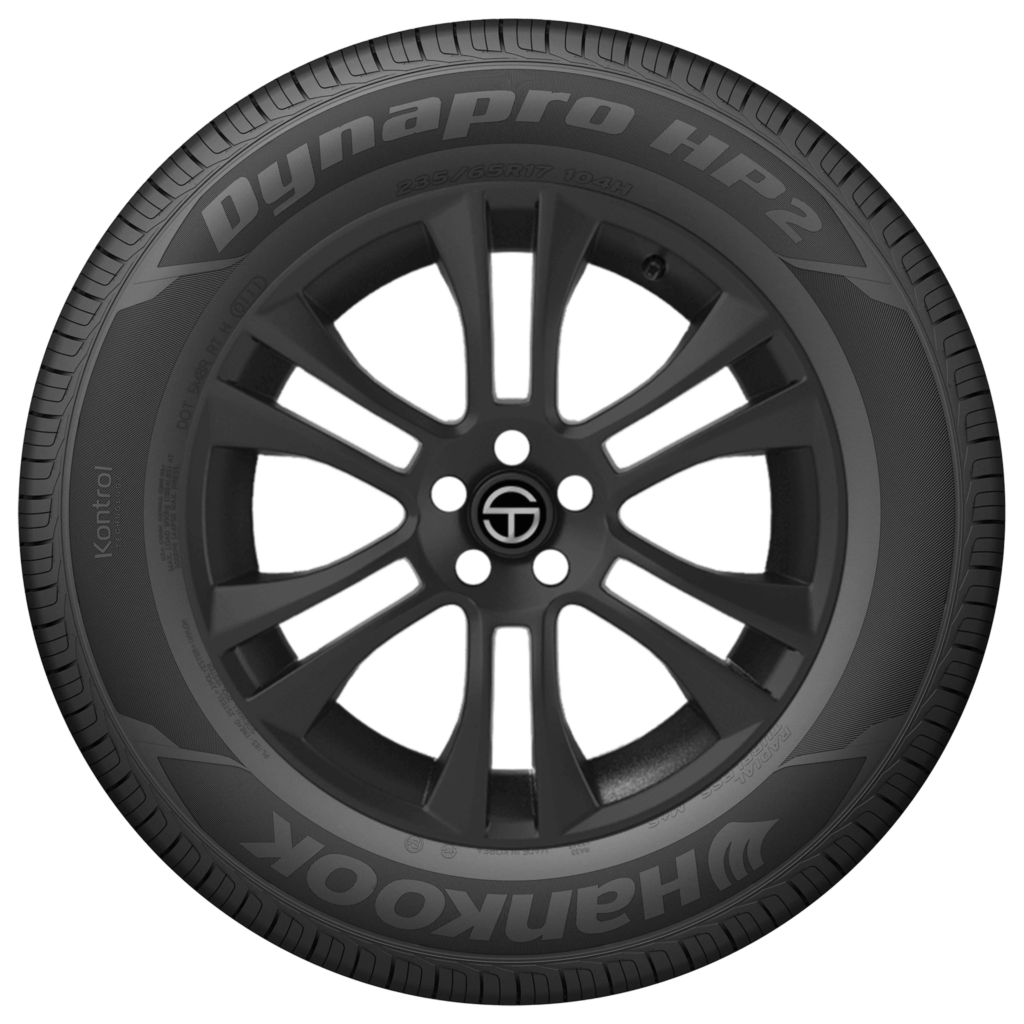
Hankook Dynapro HP2 Product Info and Reviews Overview
Before diving into performance, here is a clear look at the product profile.
01
Category
Touring all-season
02
Vehicle type
Crossovers, SUVs, light trucks
03
Available sizes
Approximately 15 inch to 22 inch fitments
04
Speed ratings
Mostly H and V, some T
05
UTQG
Commonly 540 A A or 640 A A depending on size
06
TireScore
7.8 out of 10
How This Hankook Dynapro HP2 Review Is Built
This Hankook Dynapro HP2 tire review is based on 193 verified user accounts. Each review was analyzed and scored by PickYourTires using a weighted system:
Dry performance
25 %
Comfort and noise
15 %
Wet performance
25 %
Treadwear
15 %
Snow performance
20 %
The result is a 7.8 TireScore that reflects real usage rather than brochure claims.
Many Hankook Dynapro HP2 tire reviews highlight comfort first, followed by dry road confidence. Snow and longevity create more divided opinions, especially among drivers in colder regions or owners of heavier SUVs.
Everyday Dry Road Performance
Dry pavement is where this Hankook Dynapro HP2 review shows its strongest numbers. With a dry score of 8.9 out of 10, it earns most of its positive feedback in normal city driving, suburban commutes, and steady highway use.
For many owners reading Hankook Dynapro HP2 reviews, dry handling is the first concern. This tire delivers stable, predictable behavior rather than sharp performance-style reflexes.
Steering Feel and Highway Stability
At neighborhood speeds, the steering feels calm and centered. The tire does not wander across uneven pavement or pull unexpectedly over grooved concrete. Owners often mention that lane changes feel controlled without extra correction.
On highways, tracking remains steady at typical commuting speeds. Even larger crossovers stay planted during long stretches of interstate driving. Several drivers report that the tire maintains straight-line stability without a floating sensation, which is common in softer touring designs.
Key observations from real Hankook Dynapro HP2 tire reviews:
- Minimal side-to-side drift on concrete highways
- Predictable steering response during lane merges
- Stable feel at 60 to 75 mph
- No sudden overreaction during light steering inputs
It does not deliver sports-car sharpness, but that is not its purpose. For families and commuters, consistency often matters more than aggressive cornering grip.
Cornering and Emergency Maneuvers
During normal cornering, the tread holds firm without excessive roll. The shoulder blocks maintain contact with the pavement, which helps prevent the vehicle from feeling loose in moderate turns.
Drivers who have performed quick swerves or sudden braking maneuvers describe the chassis staying composed. The tire does not snap or react abruptly. Instead, it remains controlled and manageable, which fits the touring all season profile.
What you will not find:
- Razor-sharp steering like a performance SUV tire
- Immediate snap response under heavy throttle
What you will find:
- Smooth turn-in
- Stable mid-corner grip
- Balanced behavior in everyday driving
Many Hankook Dynapro HP2 reviews note that the tire feels secure rather than exciting. That balance explains why repeat buyers often choose it again for family vehicles.
For drivers focused on dry road comfort and dependable handling, this section of the Hankook Dynapro HP2 tire review remains one of its strongest selling points.
“Ride is smooth, traction is very good wet or dry. I have experienced no issues with these tires at all, great value.” – 2020 Ford Edge FWD Titanium
“Very good tire at a fair price. Handles great on dry roads, even at highway speeds.” – 2001 Ford F150 XL 2WD

Wet Weather Performance
Rain performance is solid early in the tire’s life, though long term feedback becomes more mixed. In many Hankook Dynapro HP2 reviews, drivers mention that wet traction feels confident when the tread is fresh.
With a wet score of 7.8 out of 10, it sits in the middle of the touring all season category. It performs well enough for daily use but does not rank among the top wet performers in its segment.
Performance When New
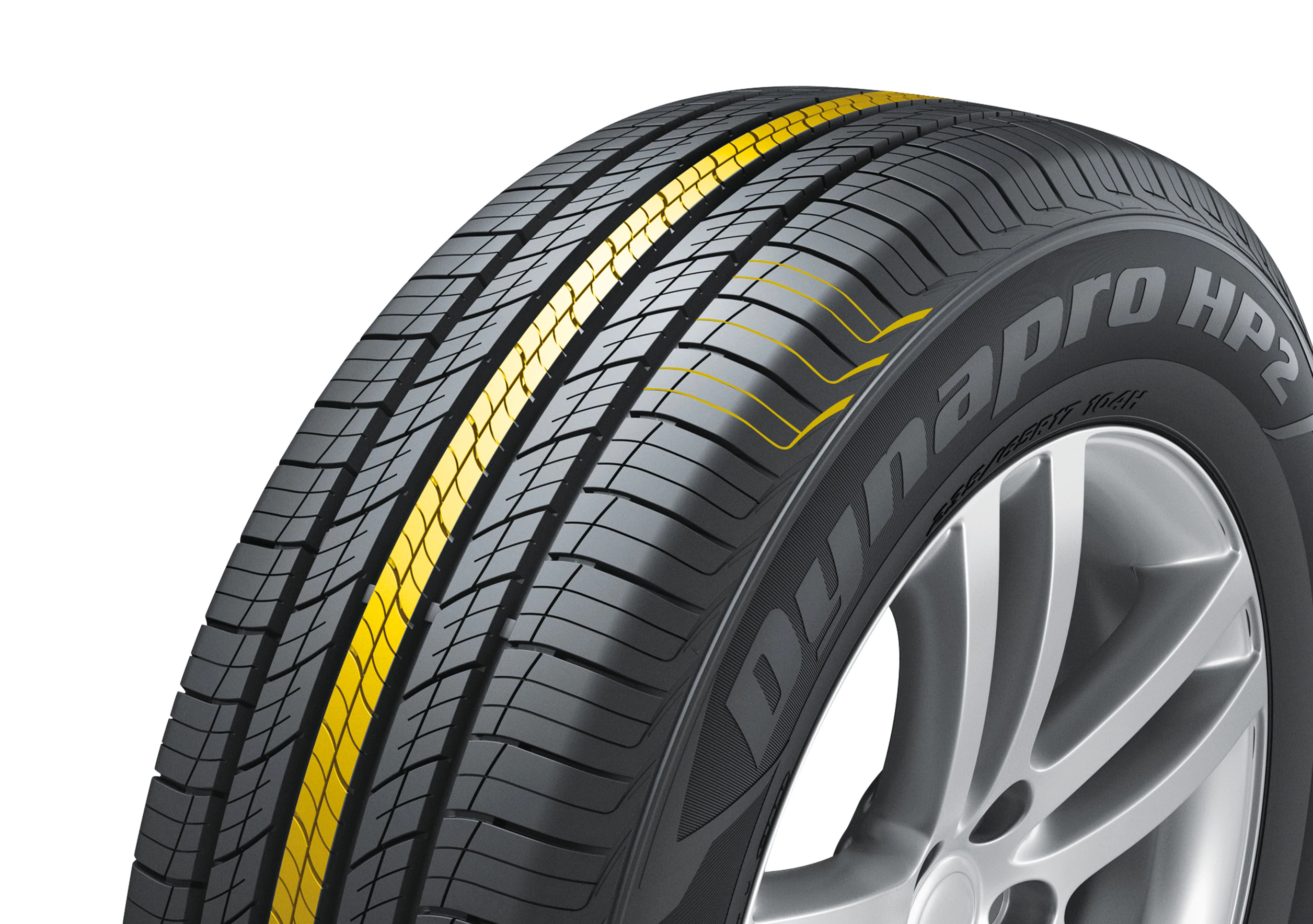
When the tire is new, the circumferential grooves channel water effectively. Drivers in coastal and southern states often report stable braking during moderate rainfall.
Early-life strengths include:
- Controlled braking at city speeds
- Stable steering during wet lane changes
- No sudden loss of grip in light to moderate rain
- Reduced hydroplaning at highway speeds
Several Hankook Dynapro HP2 tire reviews mention that during the first 15,000 to 20,000 miles, rain handling feels secure. The tread evacuates standing water well, especially on flat surfaces and maintained roads.
Owners of mid-size crossovers often describe the wet handling as predictable rather than sharp. It does not feel sporty, but it also does not feel loose under normal driving.
Wet Performance as the Tire Ages
As tread depth decreases, wet traction becomes less impressive. Around the 30,000-mile mark, some drivers begin reporting longer stopping distances on slick pavement.
Common patterns noted in Hankook Dynapro HP2 reviews:
- Slightly lighter steering feel during heavy rain
- Increased caution needed on pooled freeway water
- Longer braking distances on worn sets
- Greater sensitivity to skipped rotations
This decline is more noticeable on heavier SUVs and vehicles with higher torque loads. Drivers in Gulf Coast regions and areas with frequent downpours often reduce speed sooner once tread depth falls below midlife levels.
The tire does not show consistent hydroplaning complaints, but confidence drops as it wears. Shops often confirm that regular rotations and proper inflation help maintain wet stability longer.
For households in regions with moderate rainfall, wet performance remains acceptable throughout most of its usable life. In areas with frequent heavy storms, drivers who prioritize strong wet braking may prefer a model that places greater emphasis on rain handling.
“No worries with the wet weather that I had with the stock tires.” – 2021 Honda Passport 2WD EX-L
Hankook Dynapro HP2 Snow Performance Review
Winter performance is the most debated area in this Hankook Dynapro HP2 snow performance review. With a winter score of 6.6 out of 10, the tire sits below average for snow and cold conditions within the all season category.
For drivers in warmer regions, this may not matter much. For those in northern states, it becomes a key decision point.
Light Snow and Early Winter Conditions
When new, the Dynapro HP2 can handle light snowfall and shallow slush at low to moderate speeds. The tread pattern includes siping that provides limited bite on cold pavement.
Owners in states such as Ohio and Kentucky report that during the first winter season, the tire manages:
- Light snow under 2 to 3 inches
- Residential roads with mild accumulation
- Cold morning starts on dry pavement
- Controlled braking on lightly snow-covered streets
For drivers who encounter only occasional snowfall, this level of performance may be enough. Several Hankook Dynapro HP2 reviews describe it as acceptable for mild winter climates where roads are cleared quickly.
It is important to note that traction is highly dependent on tread depth. Snow grip feels more reliable during the first half of the tire’s life.
Packed Snow and Ice Conditions
Once snow becomes packed or surfaces turn icy, feedback becomes more critical. Many Hankook Dynapro HP2 tire reviews highlight longer braking distances and noticeable wheel spin at intersections.
Common complaints include:
- Reduced grip during uphill starts
- Delayed braking response on packed snow
- Limited control on icy surfaces
- Confidence drop once temperatures stay below freezing
Drivers in Michigan, Vermont, and other snowbelt states often switch to dedicated winter tires rather than rely on the Dynapro HP2 year round. The compound does not remain pliable enough in prolonged cold to match winter-specific rubber.
Some anecdotal reports mention surviving heavy snow with careful throttle control. Still, these cases are exceptions rather than the rule.
Overall, this Hankook Dynapro HP2 snow performance review shows that the tire works as a three season option in mild climates. It is not a replacement for winter tires in regions with regular snow, ice, or sustained freezing temperatures.
“These tires seem to be wearing out quickly but they surprised the crap out of me on Black Friday when we got 27 inches of snow and they went through it very well.” – 2024 Nissan Rogue AWD SV
“These tires perform absolutely terrible in light snow, slush, and ice. They couldn’t stop in 3 car-lengths from 20mph in slush.” – 2016 Audi Q3 2.0T quattro
Comfort and Road Noise
Comfort is one of the strongest themes across Hankook Dynapro HP2 reviews. With a comfort score of 8.3 out of 10, many drivers choose this tire for its smooth ride rather than outright performance.
For crossovers and family SUVs, ride quality often matters more than aggressive handling. This is where the Dynapro HP2 performs well.
Ride Quality in Daily Driving
Owners frequently describe a noticeable improvement over worn factory tires. The tire absorbs minor road imperfections without sending harsh feedback into the cabin.
Common feedback found in Hankook Dynapro HP2 tire reviews includes:
- Smooth response over expansion joints
- Reduced vibration on rough pavement
- Softer impact over potholes compared to OEM sets
- Comfortable long-distance highway feel
The sidewalls provide enough compliance to soften sharp road inputs, yet the tire does not feel overly loose or disconnected. For school runs, commutes, and road trips, this balance works well.
Drivers of mid-size SUVs such as the Santa Fe, CR V, and Rogue often highlight how the cabin feels calmer after installation.
Road Noise Over Time
Noise levels remain low during the early stages of ownership. On fresh asphalt, the tire tends to fade into the background. Most owners report minimal road hum for the first 15,000 to 20,000 miles.
As mileage increases, some mild noise begins to develop, particularly on coarse concrete surfaces. The sound typically presents as a low hum rather than a sharp whine.
Patterns noted in Hankook Dynapro HP2 reviews:
- Quiet operation when new
- Gradual increase in hum around midlife
- More noticeable noise on lighter vehicles
- Less intrusive than many budget competitors
Even with wear, it rarely becomes excessively loud unless alignment or rotation schedules are neglected.
For drivers prioritizing a quiet and comfortable ride, this part of the Hankook Dynapro HP2 tire review remains a clear strength.
❞
“These tires ride very smoothly and the noise level is very low. Braking, turning, and stopping in heavy rain had been fine.” – 2017 Jeep Grand Cherokee 4X4 Laredo
Treadwear and Longevity
Tread life is the most divided topic across Hankook Dynapro HP2 tire reviews. With a treadwear score of 7 out of 10, expectations vary depending on vehicle weight, driving habits, and maintenance routines.
Some owners report solid longevity. Others experience faster wear than expected, particularly on heavier SUVs.
Real World Mileage Expectations
Reported mileage ranges widely:
- 20,000 to 30,000 miles on heavier SUVs or aggressive driving
- 35,000 to 45,000 miles under moderate use
- Up to 50,000 miles with careful rotation and steady highway driving
Drivers who rotate every 5,000 to 6,000 miles and maintain proper inflation tend to see better results. Skipping rotations often leads to shoulder wear and uneven tread patterns.
In many Hankook Dynapro HP2 reviews, owners of mid-size crossovers achieve more balanced wear compared to drivers of full-size SUVs.
Wear Patterns on Heavier Vehicles
Heavier crossovers and electric vehicles place more load on the compound. Increased torque and weight accelerate shoulder and center wear.
Common wear observations include:
- Faster shoulder wear on front wheel drive SUVs
- Center wear when inflation is slightly above recommended levels
- Uneven tread when alignment drifts
- Noticeable wet performance decline as tread depth drops
Several Hankook Dynapro HP2 tire reviews mention disappointment when tread depth reaches replacement levels sooner than expected. This concern appears more frequently among drivers expecting 60,000 miles or more.
On lighter vehicles driven primarily on highways, the tire often performs closer to expectations.
Hankook Dynapro HP2 review highlights that longevity depends heavily on vehicle type and care. It does not consistently match premium touring tires for mileage, but it remains acceptable for many daily drivers.
“These tires are almost completely bald after only 29,000 miles. 65,000 my A$$.” – 2020 Hyundai Santa Fe AWD Limited
“At 32,000 miles the tread life is almost gone.” – 2021 Hyundai Santa Fe AWD Limited
Who Should Buy the Hankook Dynapro HP2?
After reviewing dry grip, wet stability, snow limitations, comfort, and treadwear, a clear buyer profile emerges in this Hankook Dynapro HP2 review.
This tire fits best for drivers who prioritize comfort and predictable handling over maximum longevity or winter grip.
Best Fit Drivers
The Dynapro HP2 works well for:
- Crossover and SUV owners in warm or mild climates
- Families focused on smooth daily commutes
- Drivers who value low road noise
- Budget-conscious buyers replacing OEM tires
- Suburban and highway commuters
Many Hankook Dynapro HP2 tire reviews come from drivers who rarely see heavy snow and primarily use their vehicles for errands, work travel, and weekend trips.
In regions such as the Southeast, coastal states, and parts of the Southwest, it performs reliably for most of its usable life.
Who Should Look Elsewhere
This tire may not suit drivers who:
- Face regular snow and ice
- Expect 60,000 plus miles of consistent tread life
- Drive heavy SUVs or high-torque vehicles aggressively
- Need stronger wet performance late in tread life
Several Hankook Dynapro HP2 reviews suggest that drivers in northern snowbelt states prefer swapping to dedicated winter tires once temperatures remain below freezing.
Final Verdict – Hankook Dynapro HP2 Review
This Hankook Dynapro HP2 tire review shows a well-rounded touring all season tire with clear strengths and defined tradeoffs.
What stands out:
- Strong dry road stability
- Comfortable and quiet ride
- Competitive pricing
- Predictable daily performance
Where it falls short:
- Below average snow traction
- Wet grip declines as tread wears
- Mixed longevity on heavier vehicles
With a TireScore of 7.8 out of 10, the Dynapro HP2 performs best as a three season touring option for crossovers and SUVs in mild climates.
Drivers researching Hankook Dynapro HP2 reviews will find that most positive feedback centers on comfort and dry handling. Most complaints focus on winter performance and tread life expectations.
If your driving involves steady commuting, moderate climates, and a preference for comfort over aggressive performance, this tire remains a reasonable choice. If you require strong winter traction or extended mileage guarantees, other touring models may better suit your needs.
Interested in more all-season tire reviews? You will find them here!
Frequently Asked Questions
Based on this Hankook Dynapro HP2 snow performance review, it performs adequately in light snow when new. It can handle shallow accumulation and cold pavement at low speeds. However, traction drops on packed snow and ice. Drivers in snowbelt regions typically switch to winter tires for better control.
Longevity varies widely across Hankook Dynapro HP2 reviews. Many drivers report 30,000 to 45,000 miles with regular rotation and proper inflation. Heavier SUVs and aggressive driving habits often reduce tread life closer to 20,000 to 30,000 miles.
Most Hankook Dynapro HP2 tire reviews describe it as quiet when new. Road hum may develop as tread wears, especially on coarse concrete, but it generally remains quieter than many budget all season alternatives.
No. This is a touring all season tire designed for paved roads. It is not built for trail use, mud, or rugged terrain.
You can find verified Hankook Dynapro HP2 tire reviews through structured review platforms, independent testing sites, and retail feedback pages. This Hankook Dynapro HP2 review is based on 193 verified user accounts and weighted scoring across dry, wet, snow, comfort, and treadwear categories.

Meet the Review writer:
Tom Jones
Hi! I”m glad you’re here and hope you enjoyed this review. Got a questions? Get in touch with me!