
Last Updated on February 27, 2026 by Tom
Some tires get through winter without much trouble. Others are built for mornings when ice coats the driveway and the road salt crunches under your wheels. If you are comparing all season tires vs winter tires, you are deciding how your vehicle reacts once temperatures drop and traction becomes harder to find.
All season vs winter tires is not a minor upgrade. The rubber compound, tread design, and temperature range create real differences in braking, corner control, and stability. As the air dips below 45°F, those differences start to show.
Many drivers search winter tires vs all season tires once snow appears. The better time to decide is before the first freeze. Your tire choice determines how much margin you have when roads turn slick.
All Season Tires vs Winter Tires – What’s the Core Difference?
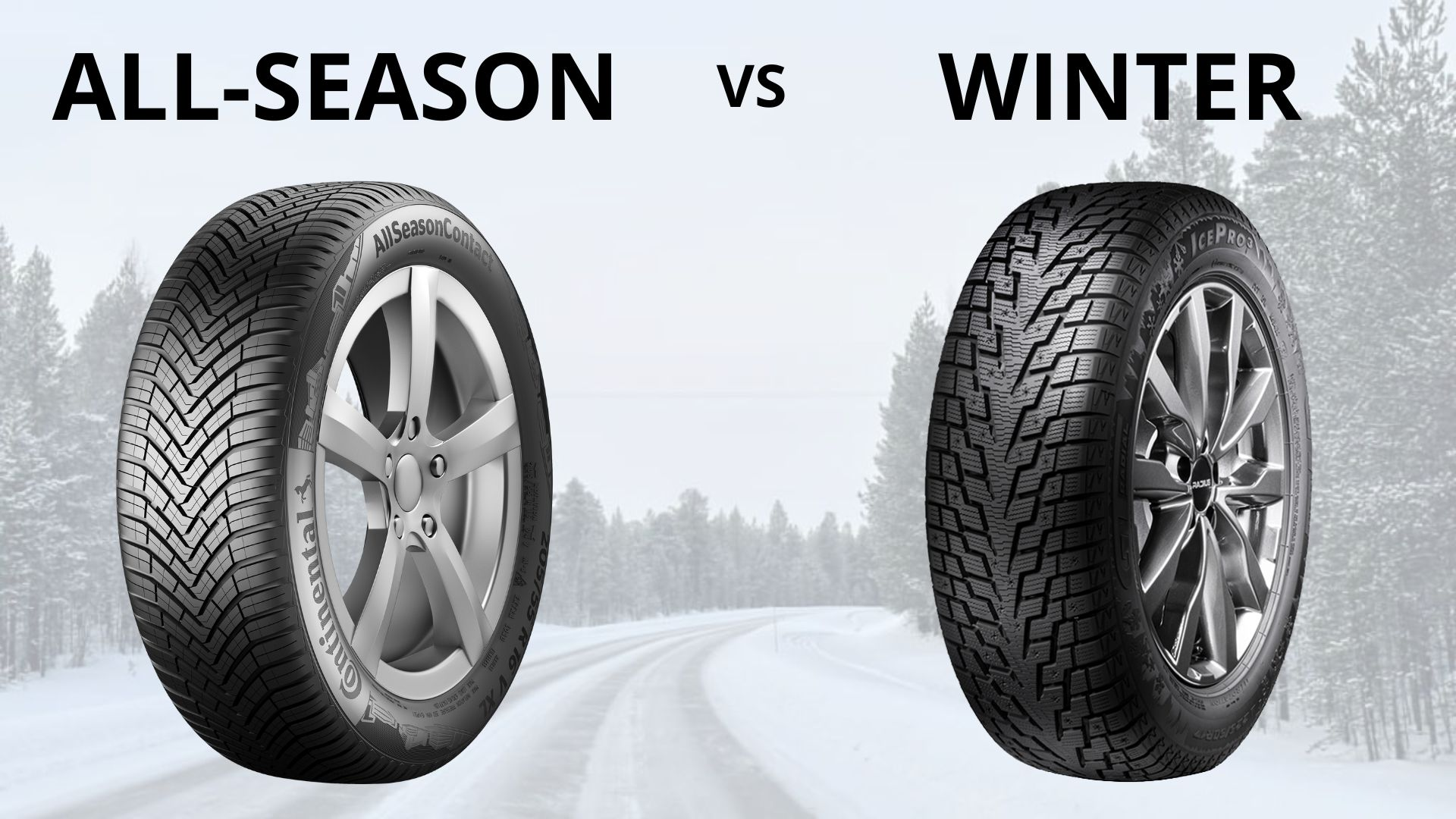
The main difference between winter tires vs all season comes down to rubber flexibility and tread structure in cold conditions.
All season tires use a compound designed for moderate year-round use. They perform well in dry heat, rain, and light snow. Once temperatures fall below 45°F, the rubber stiffens. Braking distances increase and traction drops on cold pavement and icy bridges.
Winter tires use a softer compound that stays flexible in freezing temperatures. That flexibility improves grip on snow, slush, and ice. The tread includes deeper grooves and tighter siping that bite into packed snow rather than sliding across it.
Here is a direct comparison.
| Feature | All Season Tires | Winter Tires |
|---|---|---|
| Ideal Temperature Range | Moderate year-round | Below 45°F |
| Rubber Compound | Balanced for heat and mild cold | Soft for freezing conditions |
| Snow Traction | Limited | Strong |
| Ice Performance | Reduced grip | Improved grip |
| Warm Weather Wear | Low | High |
| Seasonal Swap Needed | No | Yes |
Winter tire vs all season becomes clear once temperatures stay low for weeks at a time. All season tires offer convenience. Winter tires offer cold-weather control.
How All-Season Tires Fit into Driving Conditions
All season tires show up on most vehicles right from the dealership. They are built for balance rather than extremes. In mild climates, they handle daily driving without issue.
They perform well in:
- Dry pavement during summer heat
- Light rain and wet roads
- Occasional light snow
- Long highway travel with low road noise
The compound stays usable across moderate temperature swings, but once the thermometer drops below 45°F, traction declines. Braking distances extend and grip weakens on cold pavement.
In states such as Texas, the Carolinas, or much of California, all season tires often remain sufficient year round. In regions with extended freeze periods or regular snowfall, the limits become more noticeable.
All season tires vs winter tires comes down to climate exposure. If winter is short and snow rarely sticks, all season models provide convenience and steady performance. If freezing temperatures dominate for months, winter tires offer a safer margin.
When Winter Tires Make the Difference
Winter tires are built for conditions where cold is constant and snow is not occasional but expected. Winter tires vs all season tires becomes clear once temperatures stay below 45°F for extended periods.
The softer compound remains flexible in freezing air. That flexibility helps the tread grip cold pavement instead of sliding across it. Deeper grooves and tighter siping improve traction in snow and slush.
Winter tires make the biggest difference in:
- Packed snow on city streets
- Icy intersections and bridges
- Steep grades covered in slush
- Rural roads that stay unplowed
Many winter models carry the Three Peak Mountain Snowflake symbol. That marking confirms tested performance in severe snow. In states with traction laws such as Vermont, this certification may be required during winter months.
All season vs winter tires shows its limits once ice forms. All season tires can move through light snow, but stopping distance and corner grip cannot match winter rubber in sustained cold.
Winter tires offer stronger control in harsh climates. The trade-off appears once temperatures rise, which makes seasonal swapping important.
Winter Tires All Year – Can You Drive Them Year Round?
Many drivers ask, can I drive winter tires all year? Technically yes. Practically, it is not a good idea.
Winter tires year round create problems once temperatures rise. The softer compound that grips ice begins to wear quickly on warm pavement. Handling becomes less stable and braking on dry roads feels less precise.
Using winter tires all year can lead to:
- Faster tread wear in warm weather
- Reduced fuel efficiency
- Increased road noise
- Less stable corner control on dry pavement
Winter tires vs all season tires is not only a cold-weather decision. It also affects summer safety and cost. Winter rubber is built for freezing conditions, not heat.
If you live in a region with long, harsh winters, swap winter tires out once temperatures consistently stay above 45°F. That preserves performance and prevents premature wear.
Winter Tires All Year – Can You Drive Them Year Round?
Many drivers ask, can I drive winter tires all year? You can, but it is not recommended once temperatures stay warm.
Winter tires use a softer compound designed for freezing conditions. In heat, that compound wears down faster and handling becomes less stable. What works well on ice does not translate well to hot asphalt.
Here is a clear comparison of winter tires year round versus seasonal use.
Winter Tires Year Round vs Seasonal Use
| Factor | Winter Tires Used Year Round | Winter Tires Used Only in Winter |
|---|---|---|
| Tread Wear | Wears quickly in warm weather | Normal wear in cold conditions |
| Dry Road Handling | Less stable at higher temps | Designed for cold grip |
| Fuel Efficiency | Slight reduction | Normal for winter conditions |
| Road Noise | Higher in warm months | Normal winter performance |
| Safety in Heat | Reduced braking precision | Not intended for summer use |
| Cost Efficiency | Higher long-term replacement cost | Longer tire lifespan |
Winter tires vs all season tires becomes clearer when climate is steady. Winter rubber excels in freezing temperatures but struggles once summer arrives.
For drivers in colder states, seasonal swaps protect performance and extend tire life. Keeping winter tires all year may save time, but it reduces both durability and warm-weather safety.
All Weather Tires vs Winter Tires
All weather tires vs winter tires is a common comparison for drivers who want cold-weather capability without seasonal swaps.
All weather tires carry the Three Peak Mountain Snowflake symbol, which means they meet severe snow performance standards. Unlike traditional all season tires, they are legally approved in states with traction laws. However, they are not as specialized as dedicated winter tires.
Here is how winter tires vs all weather tires compare.
All Weather vs Winter Tires Comparison
| Feature | All Weather Tires | Winter Tires |
|---|---|---|
| Severe Snow Rating | Yes | Yes |
| Rubber Compound | Balanced for year-round use | Soft for freezing temps |
| Deep Snow Traction | Good | Excellent |
| Ice Grip | Strong | Superior |
| Warm Weather Performance | Stable | Wears quickly |
| Seasonal Swap Required | No | Yes |
Winter vs all weather tires becomes a matter of climate intensity. If snowfall is moderate and roads clear quickly, all weather tires provide convenience with winter certification. If winters bring deep snow, extended freeze periods, and icy highways, winter tires offer stronger traction and braking control.
All weather tires vs winter makes sense for regions such as Kentucky, New Jersey, or Oregon, where winters appear but do not dominate for months.
All Season vs All Weather vs Winter Tires
Drivers often compare all season vs all weather vs winter tires when trying to balance convenience and safety. Each option covers a different level of cold-weather performance.
All season tires focus on year-round moderation.
All weather tires bridge the gap with winter certification.
Winter tires specialize in freezing temperatures and heavy snow.
Here is a side-by-side breakdown.
Three Way Tire Comparison
| Feature | All Season Tires | All Weather Tires | Winter Tires |
|---|---|---|---|
| Ideal Temperature | Moderate climates | Moderate to cold | Below 45°F |
| Severe Snow Certified | No | Yes | Yes |
| Ice Performance | Limited | Strong | Excellent |
| Deep Snow Grip | Moderate | Good | Superior |
| Warm Weather Durability | High | High | Low |
| Seasonal Swap Needed | No | No | Yes |
| Year Round Practicality | High in mild climates | High in mixed climates | Not recommended |
Winter tires vs all season tires shows the largest gap once ice and packed snow become frequent. All weather vs winter tires narrows that gap but does not eliminate it.
If winters are short and light, all season tires work.
If winters fluctuate with periodic snow, all weather tires provide a balanced solution.
If winters are long and harsh, winter tires remain the safest choice.
Legal and Safety Considerations
Winter tires vs all season tires is not only a performance choice. In some states, it also affects legal compliance.
Tires marked with the Three Peak Mountain Snowflake symbol meet severe snow testing standards. This certification is required on certain roads during winter months in states with traction laws. Vermont is one example where proper winter-rated tires may be mandatory during snow season.
All season tires do not carry this marking unless specifically labeled as all weather. That means winter tires vs all season can impact whether you are legally equipped during heavy snow conditions.
Beyond regulations, safety margins change in freezing temperatures. Cold pavement increases stopping distance. Ice reduces grip even further. Winter tires maintain flexibility below 45°F, which helps preserve braking control and corner stability when roads become slick.
FAQ – Winter Tires vs All Season
You can, but it is not recommended. Winter tires wear quickly in warm weather and lose dry-road stability. Seasonal swaps protect both performance and lifespan.
Yes. All-wheel drive helps with acceleration, not stopping. Winter tires improve braking and corner control in snow and ice.
No. All weather tires carry winter certification, but they do not match the deep snow and ice performance of dedicated winter tires.
Yes. Drivers notice shorter stopping distances and better control in freezing conditions. The improvement becomes clear on icy intersections and snow-covered roads.